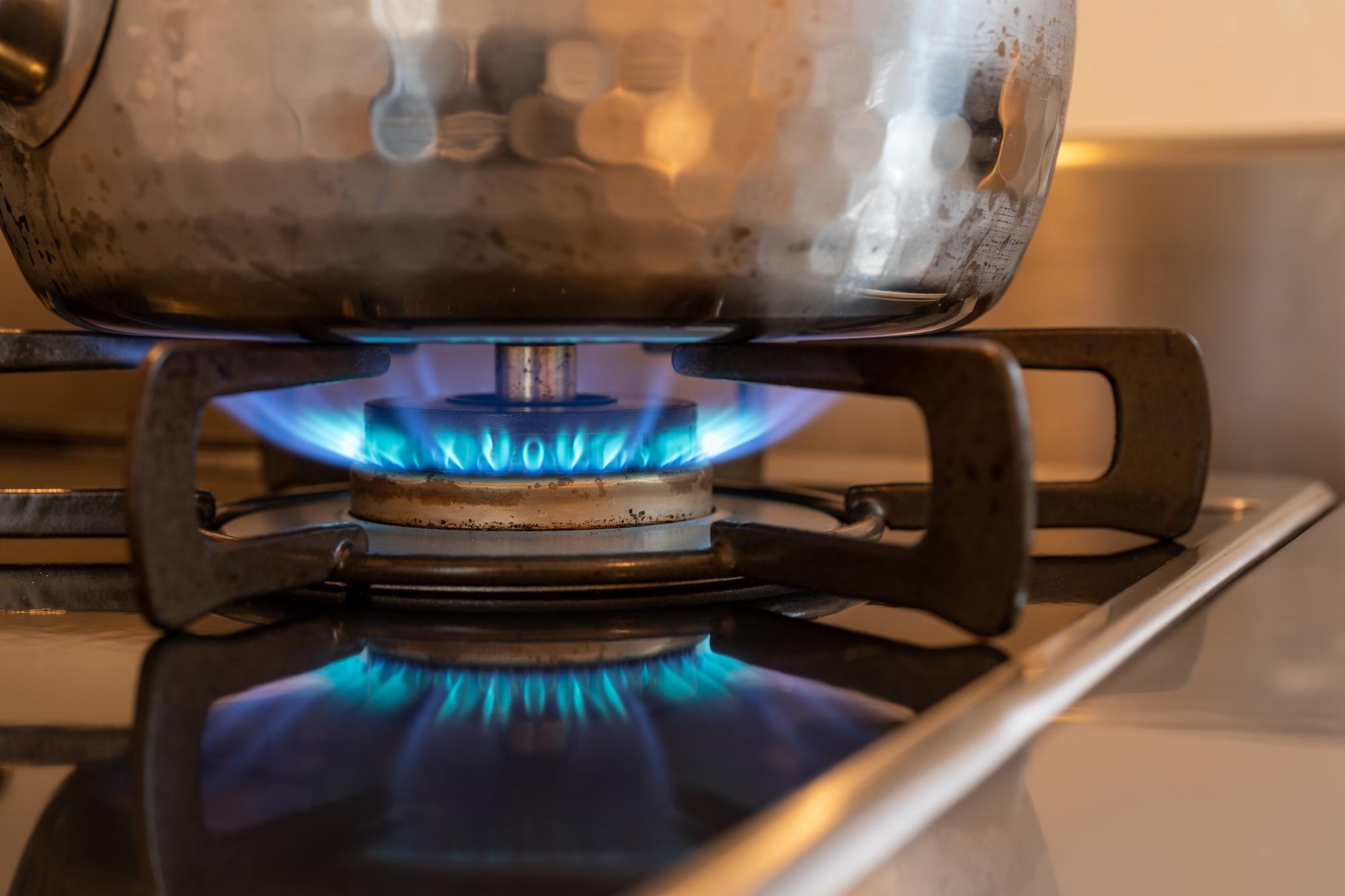
Access to clean, affordable cooking solutions remains one of the most pressing global challenges. Over 2.3 billion people rely on traditional cooking energy such as firewood, charcoal, and agricultural waste, exposing them to household air pollution that contributes to an estimated 3.2 million premature deaths annually.[1] This problem is more pronounced in Africa, where almost one billion people continue to use traditional stoves or open fires to cook their meals.
In Tanzania, 56% of households primarily use firewood and 26% use charcoal for cooking, with only 16% depending on clean energy sources like electricity, liquefied petroleum gas (LPG), or biogas.[2] Also, from 2015 to 2020, Mainland Tanzania saw an annual decline of approximately 469,420 hectares of forest because of its reliance on biomass.[3] In 2024, the national clean cooking strategy, championed by President Samia Suluhu Hassan, was launched to address these challenges. The strategy aims to achieve 80% clean cooking adoption by 2034. It is well-aligned with regional and global commitments, including the Paris Agreement, Sustainable Development Goals, and Agenda 2063.
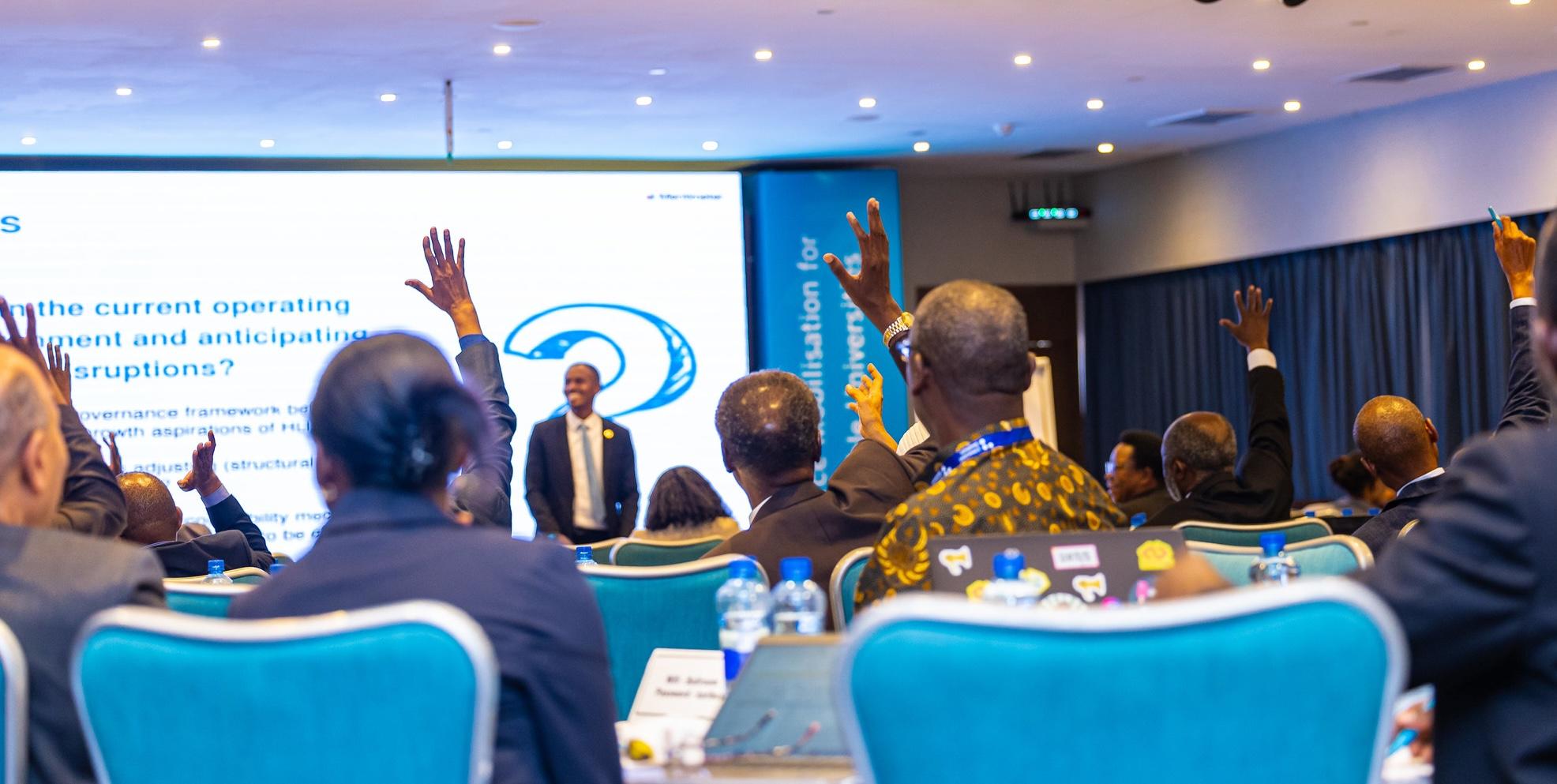
To promote a reflection on progress made, ongoing challenges, and opportunities for the future, UONGOZI Institute in collaboration with the Ministry of Energy held the tenth Green Growth Platform on 17 March 2026 in Morogoro. The event, themed “optimising clean cooking energy for sustainable development in Tanzania”, was officiated by Hon. Deogratius Ndejembi (MP), Minister for Energy. It brought together leaders and experts from across Tanzania and from a range of professions in government, business, academia and civil society.
Specifically, the meeting sought to raise awareness of the health, environmental, and economic benefits of clean cooking technologies; foster collaboration among government, private sector, and civil society to scale up access to clean cooking solutions; and identify barriers and opportunities for wider adoption of clean cooking solutions. It featured expert presentations, plenary and panel discussions, and exhibition to promote a deeper and more meaningful knowledge regarding the subject matter.
In his speech, Minister Ndejembi highlighted the efforts by the government in accelerating the pace of access to clean cooking solutions. He said:
“The government has removed value-added tax and import duties on LPG equipment and carbonisation furnaces to promote affordability and the adoption of clean cooking technologies. It also continues to raise public awareness of benefits of clean cooking energy through media, public meetings, exhibitions, and workshops.”
While acknowledging the growth in clean cooking adoption from 16% to 23.2%, he observed that constraints in infrastructure, distribution networks, affordability, behavioural change, and investment need to be addressed. He called for stronger inter-sectoral collaboration and innovative solutions to reach the underserved communities.

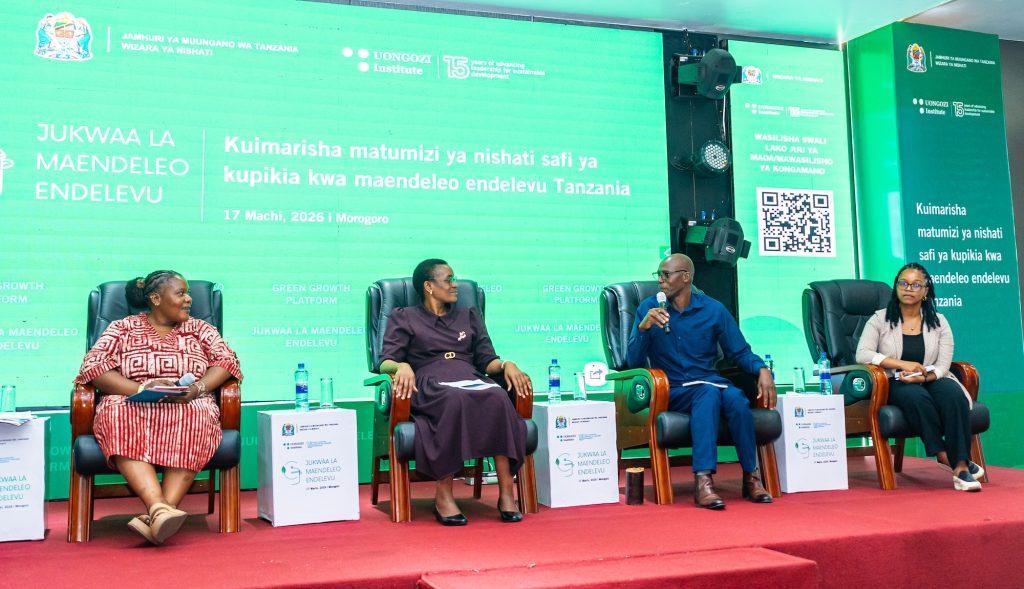
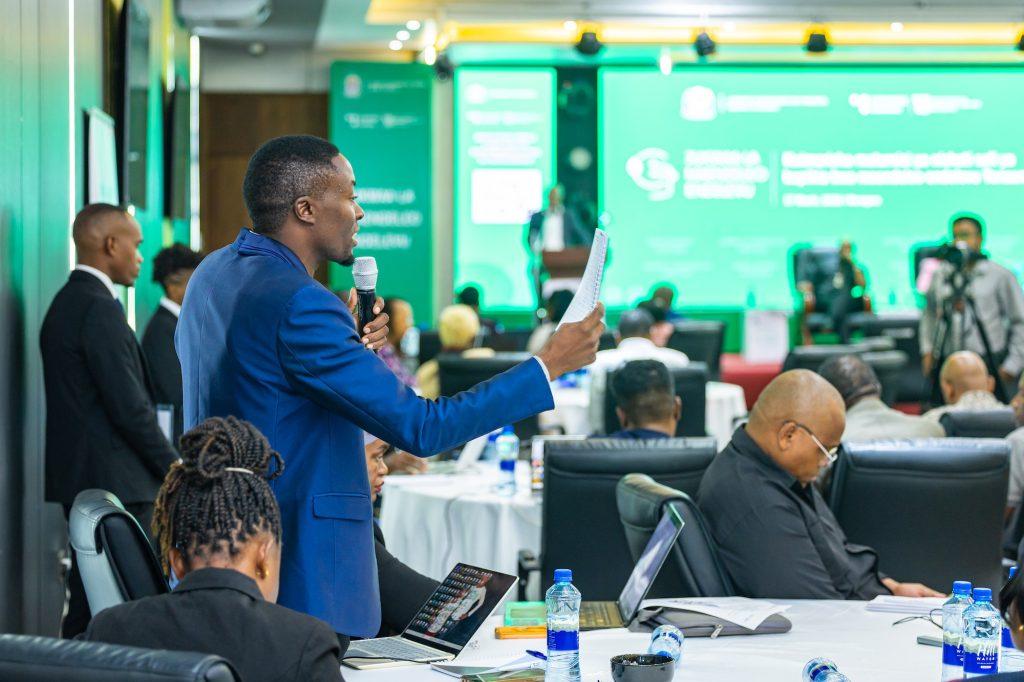
The GGP is a core component of UONGOZI Institute’s activities to support sustainable development. It aims to increase awareness and understanding of issues related to green growth and its potential for Tanzania’s development. It is a proactive tool for creating cross-sectoral linkages, promoting economic and social well-being, and safeguarding the ecosystems and environment that sustain us all.
Check out our latest research publication on clean cooking energy in Tanzania: Click here.
[1] World Health Organization. (2025). Household air pollution and related health impacts: Technical brief. https://iris.who.int/server/api/core/bitstreams/0c1ed565-52df-4f00-b40f-775ec8a8ee7b/content
[2] National Bureau of Statistics Tanzania. (2022). National Panel Survey: Wave 5, 2020–2021. https://www.nbs.go.tz/nbs/takwimu/nps/wave5/NPS_Wave_5.pdf
[3] Food and Agriculture Organization. (2020). Global Forest Resources Assessment 2020 Report: United Republic of Tanzania. https://openknowledge.fao.org/server/api/core/bitstreams/480b30fa-dd26-4427-9d68-8a07640946c9/content