Getting women into leadership roles is one challenge, keeping them there is another
Homepage » News » Getting women into leadership roles is one challenge, keeping them there is another
Share:
Over the past decade, the face of leadership has been changing. In Africa and across the world, more women are taking seats at the decision-making table. The progress is encouraging, yet uneven. In Africa, on average, women hold 21% of board seats, 8% of board chair positions, and 9% of chief executive officer positions across the entire region.[1] In Tanzania, women account for almost half of the workforce (48.8%). However, only 27.9% of senior and middle management positions are held by women in Mainland Tanzania and 24.5% in Zanzibar.[2]
While significant effort has focused on overcoming barriers to women’s numerical representation in leadership positions, there has been considerably less emphasis on whether they stay in these roles long enough to make a lasting impact. Global evidence indicates that women frequently experience shorter leadership tenures than men, even in contexts where representation has improved. For instance, while women occupy approximately 26% of parliamentary seats globally, their leadership trajectories are often interrupted or truncated due to structural and institutional constraints.[3]Similar patterns are observed within corporate and political leadership systems, where female leaders tend to exhibit shorter average tenures compared with their male counterparts.
Why does women’s leadership longevity matter? A growing body of literature and research highlights the unique contributions women bring to leadership spaces, including empathy, communications skills, teamwork and transformational leadership, conflict management skills, inspirational skills and mentorships. A UN Women study uncovers positive trends in how women leaders in the Global North and Global South approached COVID-19.[4] It indicates that women leaders were particularly adept at crisis management and communication, striking the right balance between empathy and science, swift yet collaborative decision-making, and helping people make sense of the pandemic. Losing women in leadership roles also means losing institutional knowledge and memory, mentors and role models, cultural influence and innovation.
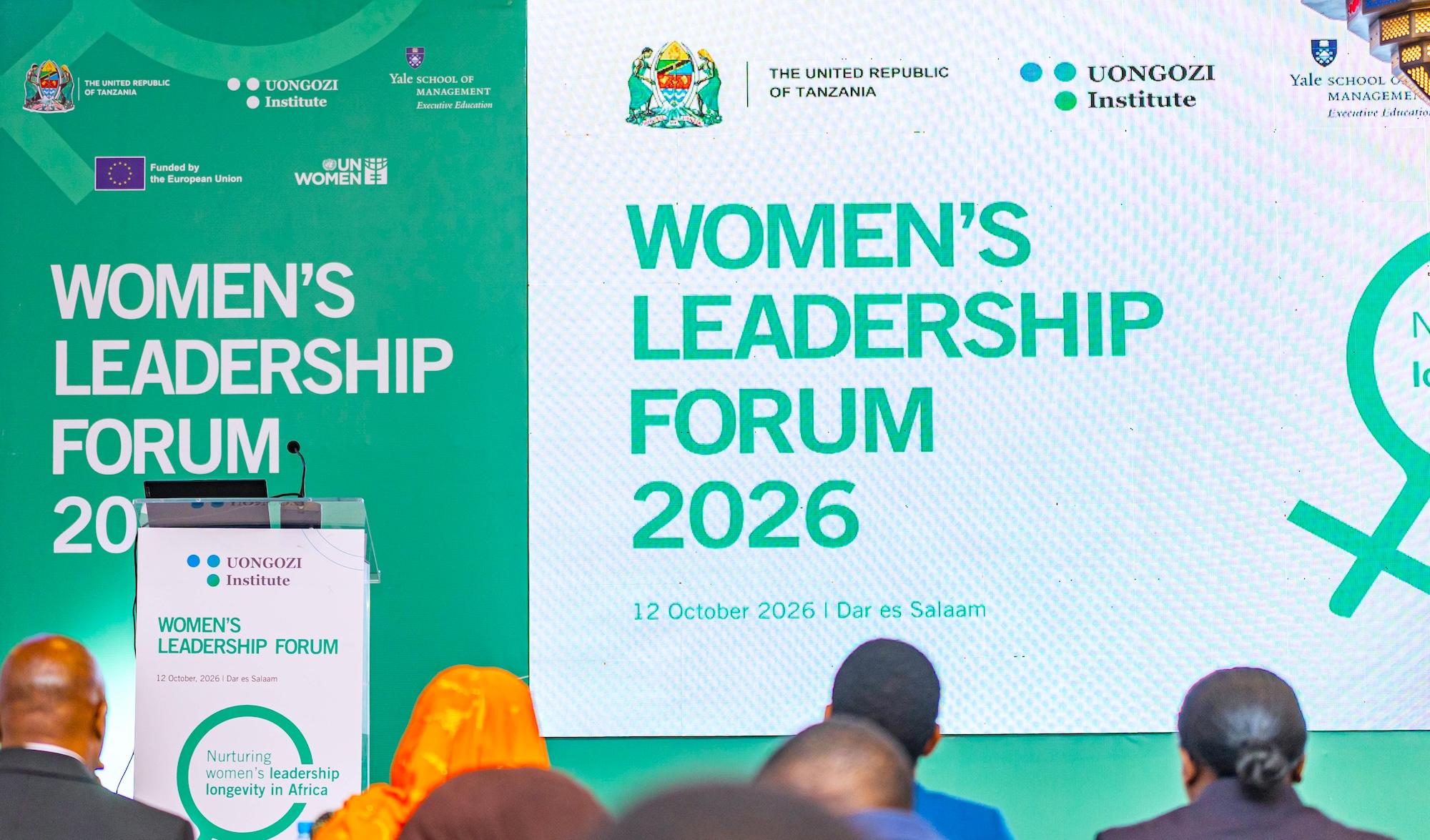
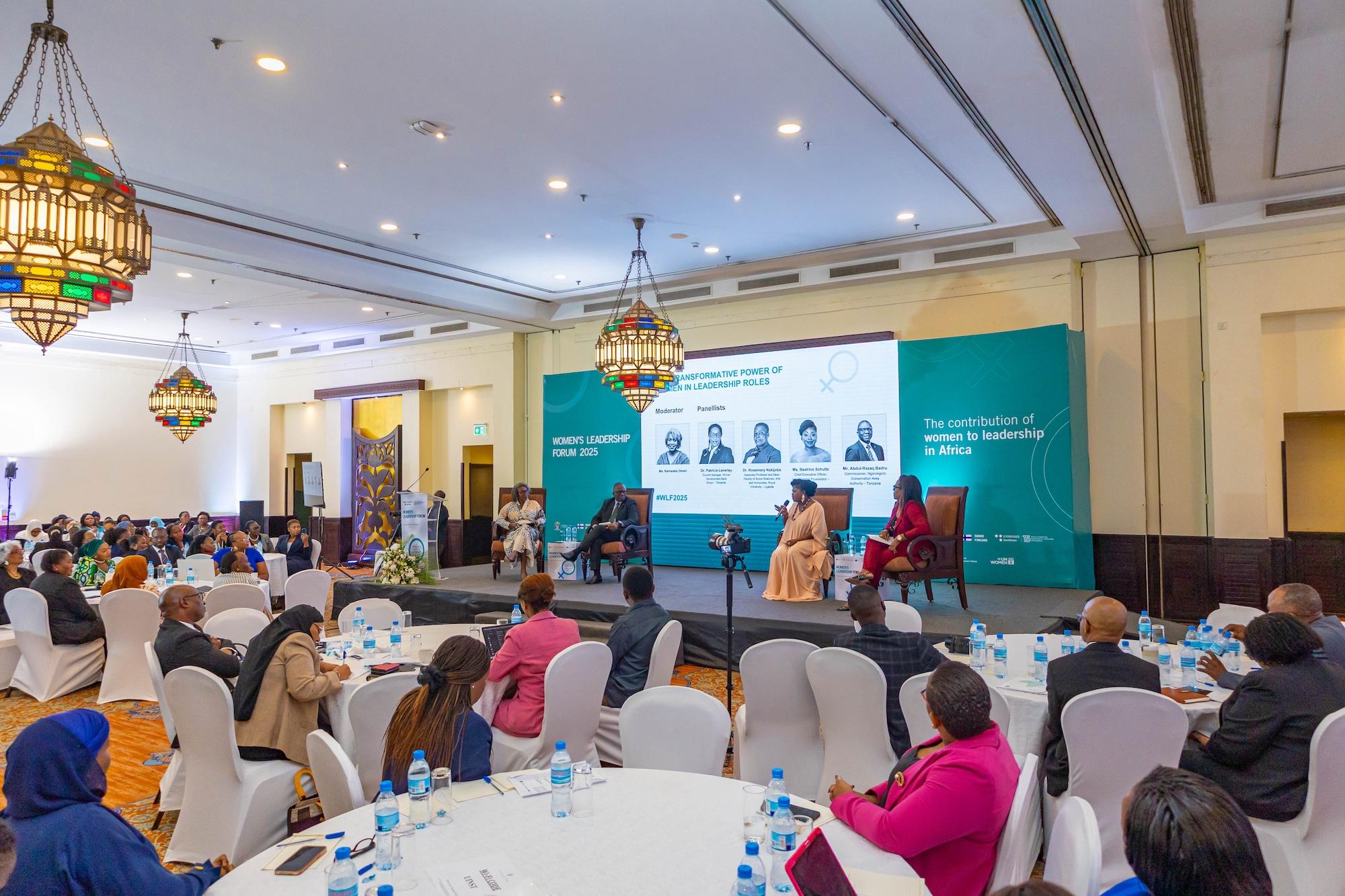
Considering this context, we convened the 6th Women’s Leadership Forum on 12 October 2026, in Dar es Salaam, Tanzania. The forum, themed “Nurturing women’s leadership longevity in Africa,” was officiated by Hon. Dr. Riziki Pembe Juma (MP), Minister of Information, Youth, Culture and Sports – Zanzibar.
The forum was organised as part of our Women’s Leadership Programme (WLP), dedicated to helping women advance into leadership roles. It was built upon our previous research and forums on women’s leadership while incorporating a new dimension from an ongoing study on “resilient pathways: exploring entry and longevity in women’s leadership in Tanzania”. It featured an opening session followed by a presentation of preliminary findings of the said research, and discussions on how to sustain women in leadership roles.
Hon. Regina Ndege Qwaray (MP), Deputy Minister in the President’s Office – Public Service Management and Good Governance, gave special remarks. The keynote address was delivered by Ms. Monica Musonda, Chief Executive Officer of Java Foods – Zambia. Other delegates were business and political leaders, academics, and development partners from across the continent, as well as 100 women leaders selected to join cohorts 9 and 10 of the WLP.
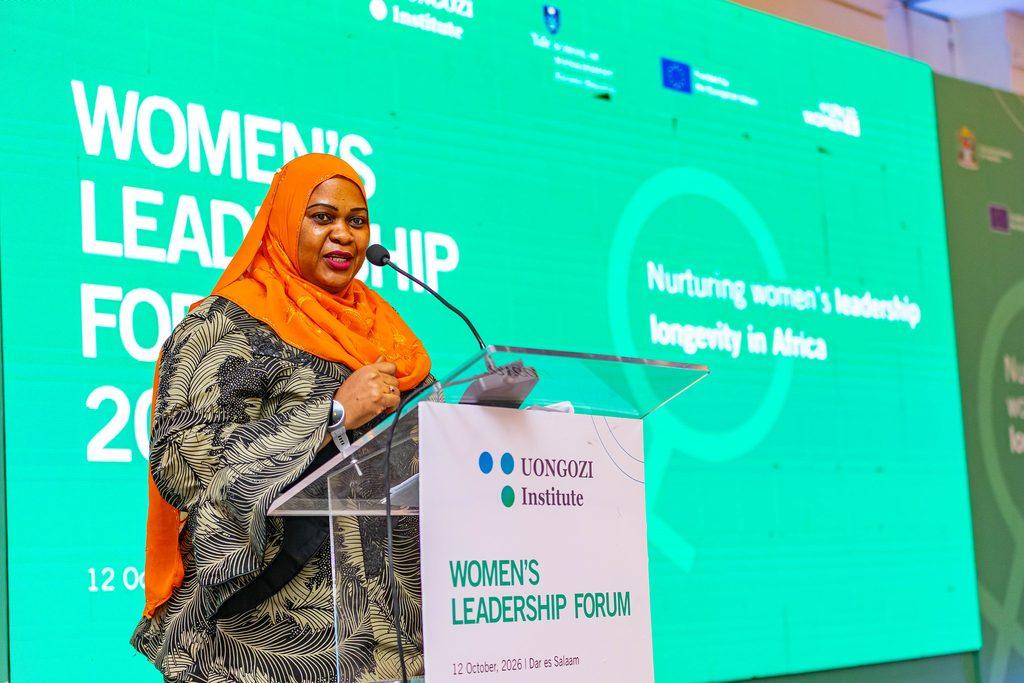
During her speech, Hon. Juma underscored the role of male allies in getting women into leadership roles and keeping them there. She stated:
“When men act, we can achieve a substantial impact. They can use their influence to amplify our voices and talents, challenge biases, and champion systemic change.”
Minister Juma officiating the event.
Later in the discussion, speakers including Ms. Atteeya Sumar, Chief Executive Officer, Aga Khan Foundation – Tanzania, agreed with Minister Juma, saying “Friends are personal. Allies are purposeful. So, while we work competently, as women we also need to build allies within our institutions. And for those of us in leadership positions… if you know of a woman who is good at her job, speak about it especially in rooms that she doesn’t have access to.”
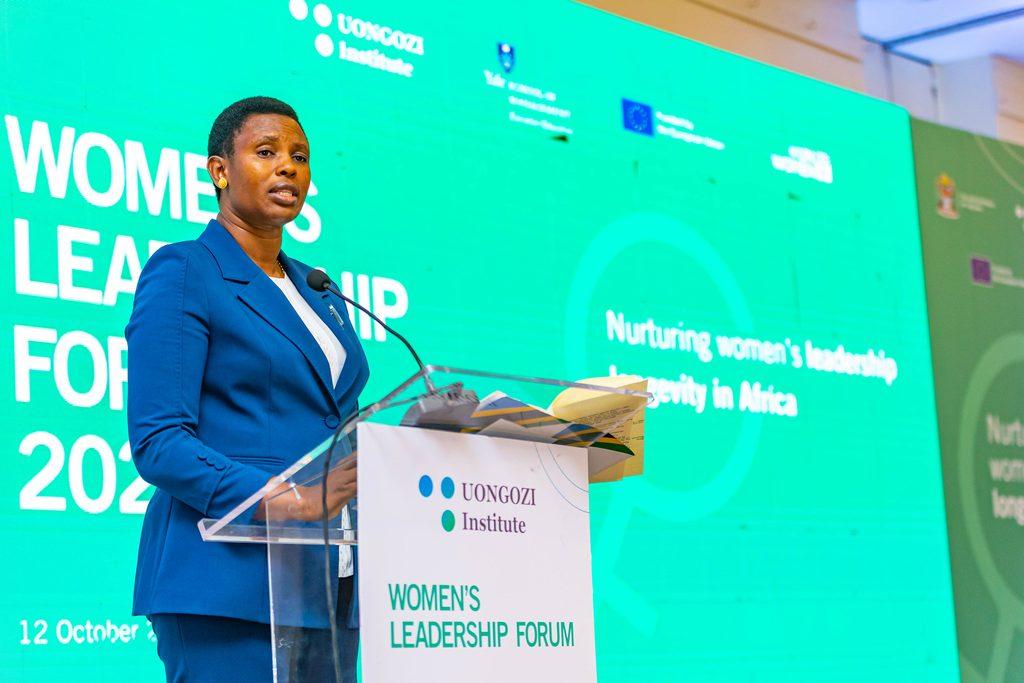
On her part, Hon. Qwaray highlighted the effort by the Government of Tanzania to address the gender gap in leadership. She said the Gender Mainstreaming Guidelines for the Civil Service (2023) provide a structured framework for integrating a gender perspective in recruitment, capacity-building programmes and succession plans.
Minister Qwaray highlighting the efforts by the Government of Tanzania to address gender gap in leadership.
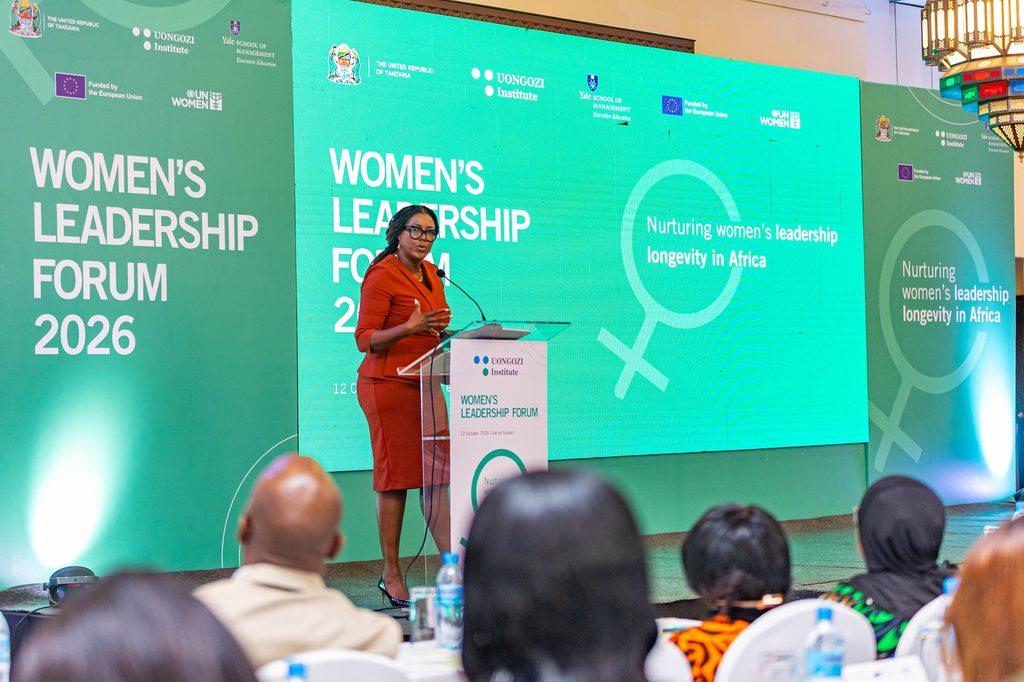
Ms. Musonda called for a rethink of the conversation on women’s leadership. She said:
“Arriving is not the same as staying. We are seeing the numbers, we are arriving. We are educating more women year on year. Are we staying? For many years our conversation about women in leadership has focused on how can we get more women into leadership roles? It is an important question, and we must keep asking it. In fact, UONGOZI Institute themselves in their study found that the proportion of women leaders in the public sector in Tanzania was three times lower than men. Across the continent, the gap is even bigger. But this year’s theme is something a little harder. Not just about how women arrive in leadership but how they stay, how they last, and how they grow in those positions long enough to change the institutions they lead.
Ms. Musonda delivering the keynote address.
Drawing on her own experience of starting and growing a business, Ms. Musonda further underscored the importance of retaining women in leadership roles.
First, lasting change takes time. The most important changes do not happen in a year or two. Trust, credibility, networks and a deep understanding of an industry or institution are built over many years. A leader who stays long enough earns the authority and trust not only to manage the system, but to change it.
Second, shorter tenures keep women permanently new. They create a cycle of perpetual onboarding, limiting the women’s ability to lead successful transformations.
Third, every early departure is a collective loss. When a woman leader leaves sooner, she takes away the unique operational insights (institutional knowledge and memory), and mentorship pipelines she was actively building.
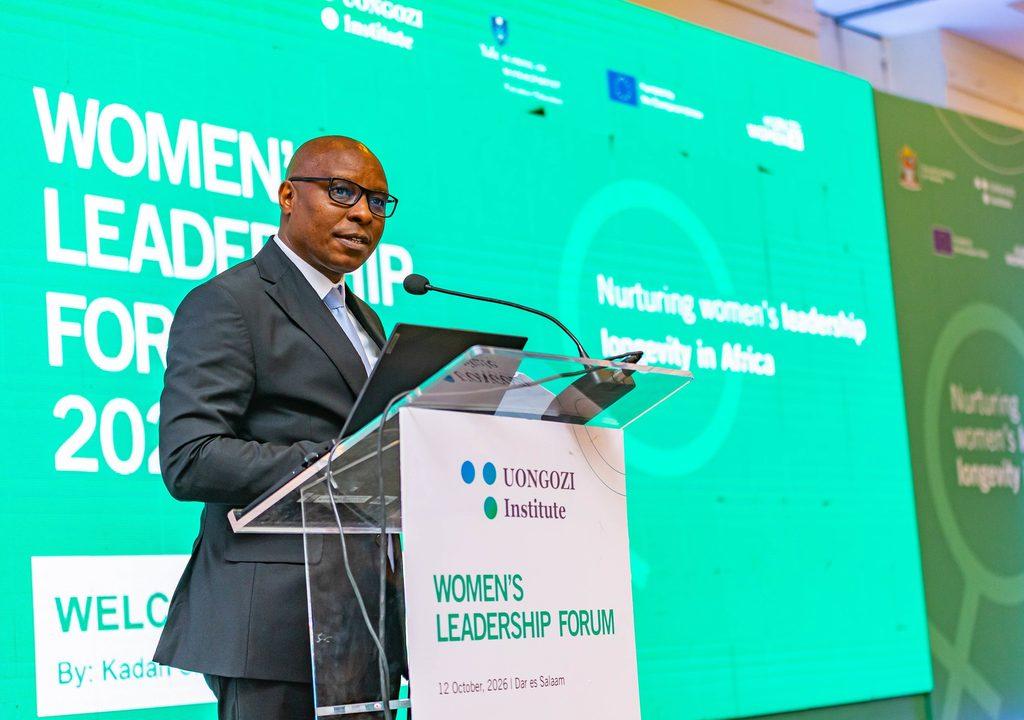
Mr. Kadari Singo, Chief Executive Officer of UONGOZI Institute, giving welcoming remarks.
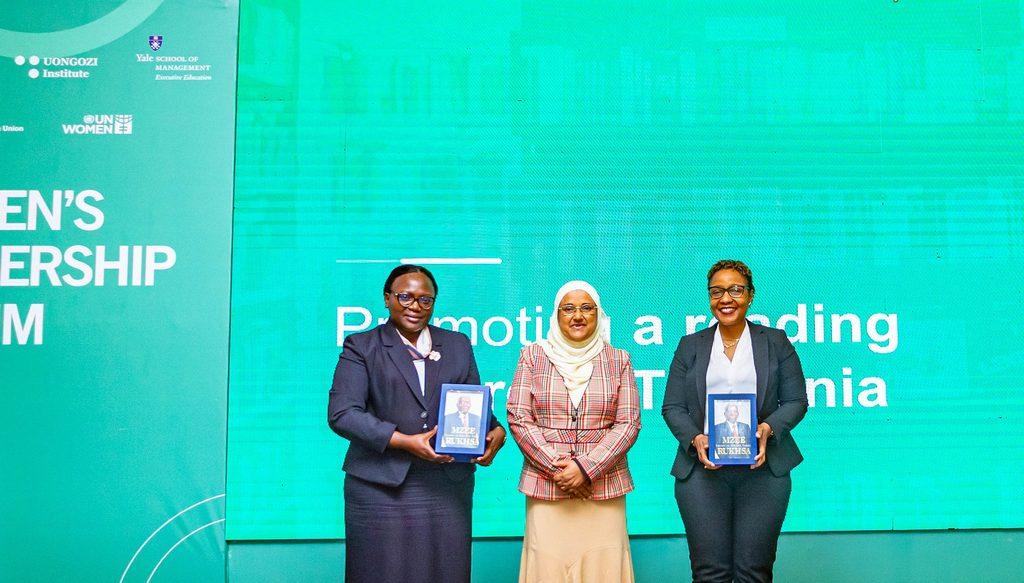
The forum also featured a special award recognising women leaders who have been active users of our Resource Centre: Ms. Prisca Burton Lwangili, Deputy Permanent Secretary, President’s Office – Public Service Management and Good Governance; and Ms. Remla Shirima, Managing Director of Physiocare Tanzania Ltd, and Founder and Executive Director of Rehab Health Tanzania. The Centre, with branches in Dodoma and Dar es Salaam, aims to promote a reading culture in Tanzania and, eventually, the wider continent. It offers more than 60,000 publications in print, audio and electronic formats. Content includes leadership, governance, sustainable development, economics, political science, philosophy, public administration, foreign affairs, African history, social theory, personal development, and biographies.
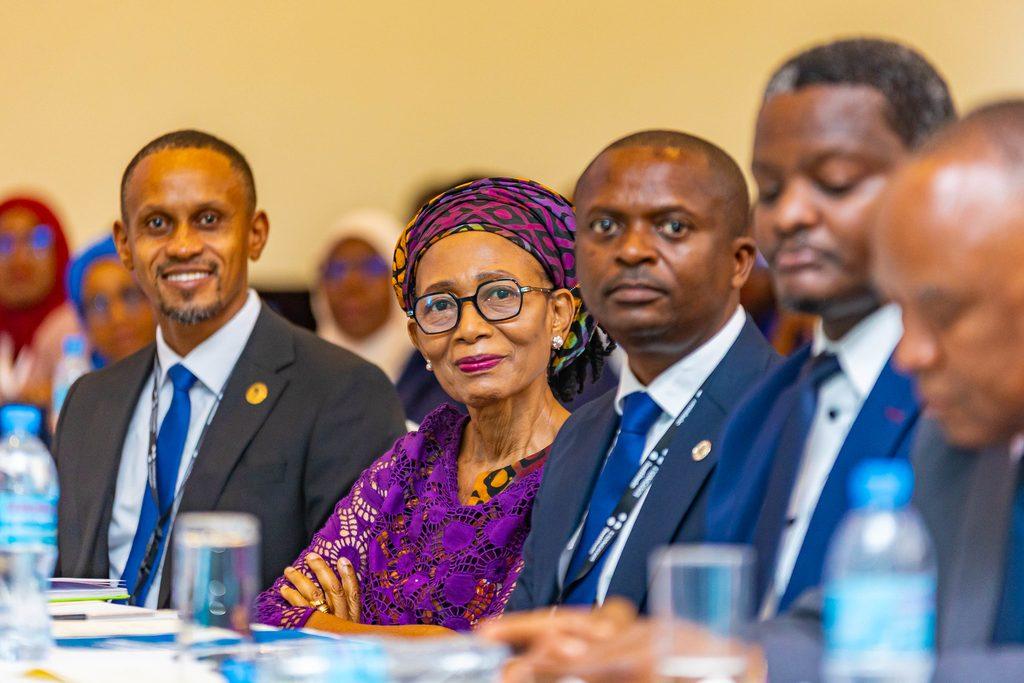
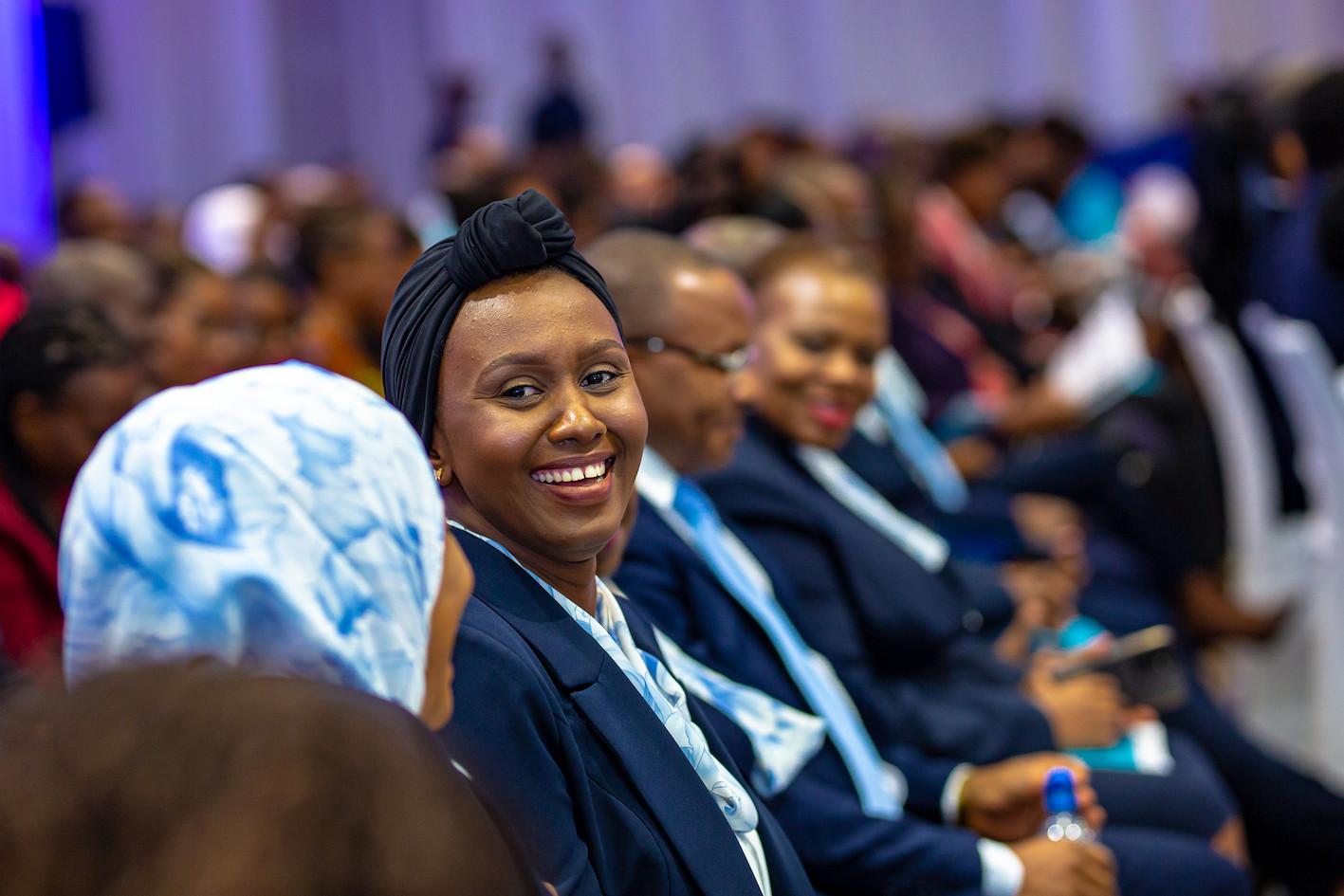
Amb. Begum Taj, Vice Chairperson of UONGOZI Institute’s Board of Directors (centre) with Resource Centre award recipients: Ms. Lwangili(left) and Ms. Shirima (right).Some of the forum delegates.